

Shaken Baby Syndrome (SBS) is a serious and preventable medical emergency. It occurs when an infant is violently shaken, leading to often irreversible internal injuries. This form of abuse typically results from an impulsive act during a moment of lost control, often linked to intense parental stress.
This article aims to explain exactly what SBS is, which signs should raise concern, what the possible medical consequences are, and most importantly, how to prevent this avoidable tragedy.

1. What Is Shaken Baby Syndrome?
Shaken Baby Syndrome (also known medically as Abusive Head Trauma, according to the American Academy of Pediatrics) is a non-accidental brain injury caused by forceful shaking of an infant or young child. It can occur in just a few seconds.
What Happens in the Baby’s Body
- The infant’s brain is still very fragile and floats in cerebrospinal fluid.
- Shaking causes a sudden acceleration and deceleration of the brain inside the skull.
- The still-developing blood vessels may rupture, leading to:
- Cerebral hemorrhages (bleeding in or around the brain)
- Cerebral edema (swelling of the brain)
- Spinal cord injuries
- Retinal hemorrhages affecting the eyes in many cases
2. Possible Consequences for the Child
Even if the child appears normal right after the shaking, the consequences can be severe and sometimes fatal.
- Delayed motor or intellectual development
- Cerebral palsy
- Epileptic seizures
- Vision problems or blindness
- Cognitive and behavioral disorders
- Coma or death
Medical data: Up to 1 in 4 babies may die as a result of SBS, and more than half of the survivors suffer long-term neurological disabilities.
3. Why Are Infants So Vulnerable?
- Their head is heavy, representing about 25% of their total body weight
- Their neck muscles are weak and cannot properly support the head
- Their brain is immature and extremely fragile
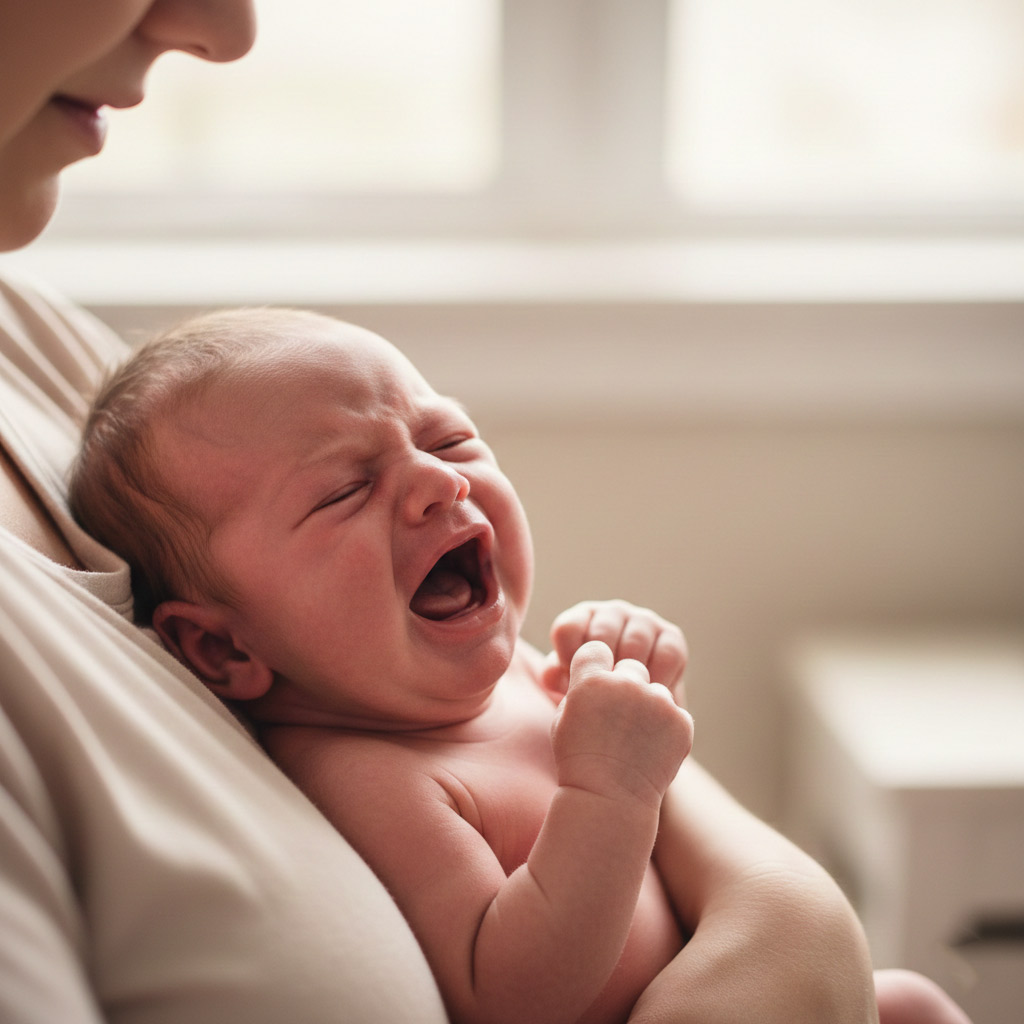
- They cry frequently, which can trigger impulsive reactions in overwhelmed adults
In more than 80% of cases, SBS occurs in the context of intense crying, when an adult loses patience due to stress or exhaustion.
4. The Link with Parental Stress
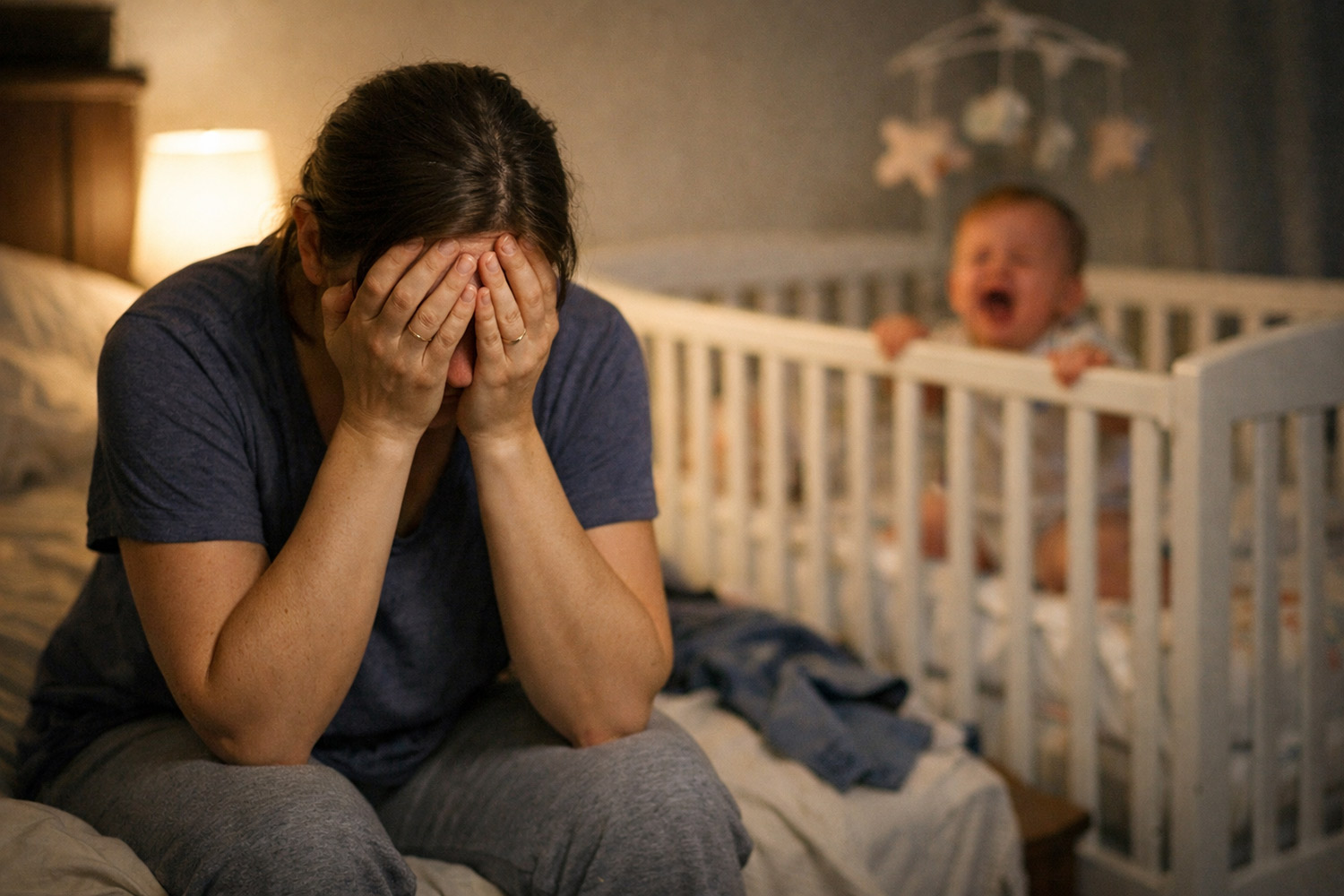
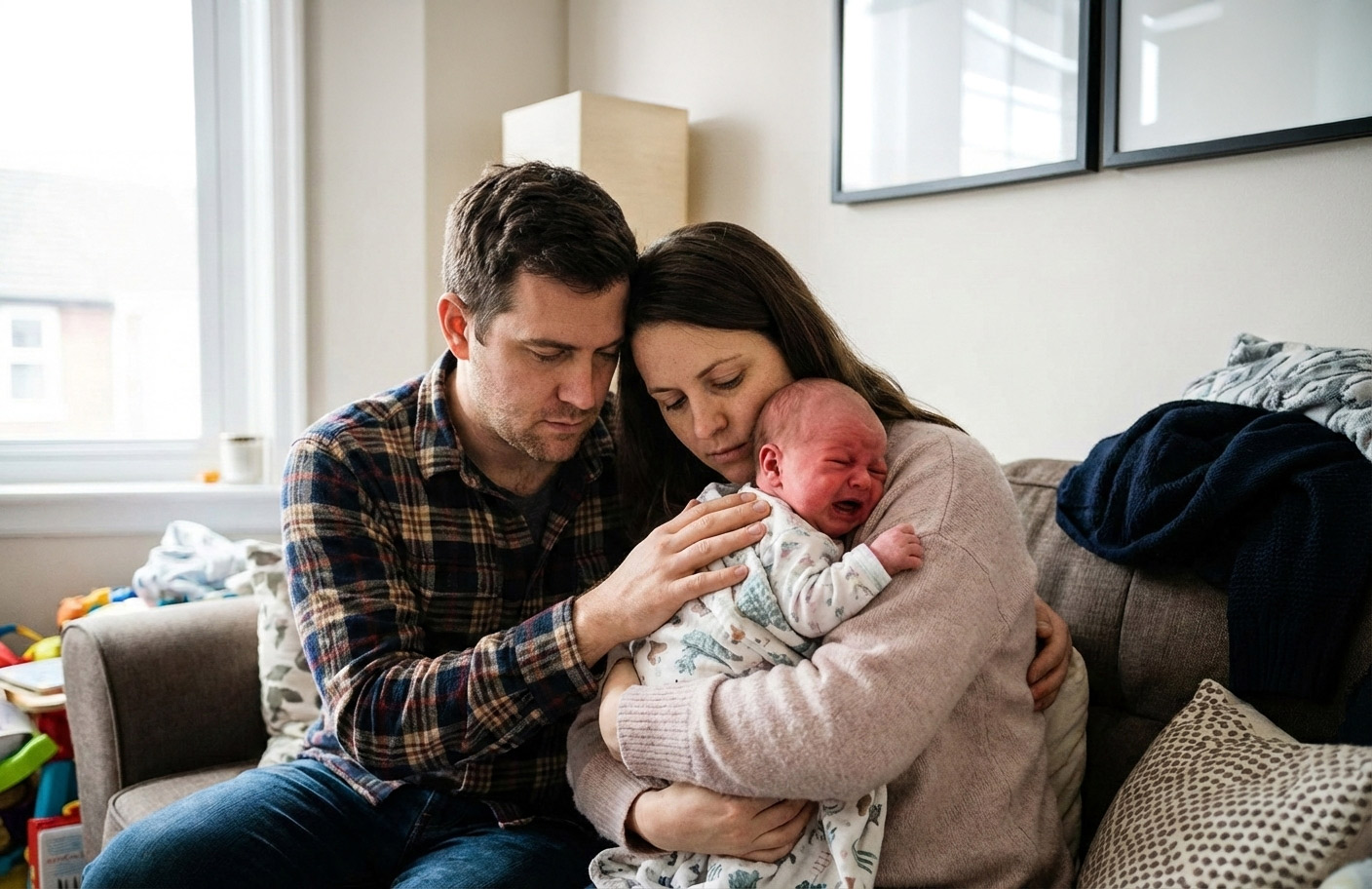
Parental stress is a major risk factor. It never excuses the act, but it helps us understand the context and better target prevention efforts.
Aggravating Factors:
- Sleep deprivation
- Social isolation or lack of support
- Postpartum depression
- Chronic anxiety
- Unrealistic expectations of the baby

5. How to Prevent Shaken Baby Syndrome
What to Do in Case of Overwhelming Stress
- Place the baby safely on their back in the crib and leave the room for a few minutes
- Take deep breaths and ask for help
- Remind yourself that crying is not dangerous, but shaking a baby always is
- Use calming music or relaxation apps
Key Messages:
- “You can leave a baby crying for a few minutes. You must never shake them.”
- “Better a crying baby than a seriously injured one.”
- “You are not alone. There are solutions and people who can help.”
6. When to Seek Emergency Help
Call emergency services immediately (911 / 112) if your child:
- Becomes unusually drowsy or loses consciousness
- Vomits without a clear reason
- Has seizures
- Shows breathing difficulties
- Has abnormal movements or muscle stiffness
- Stops responding or appears unresponsive
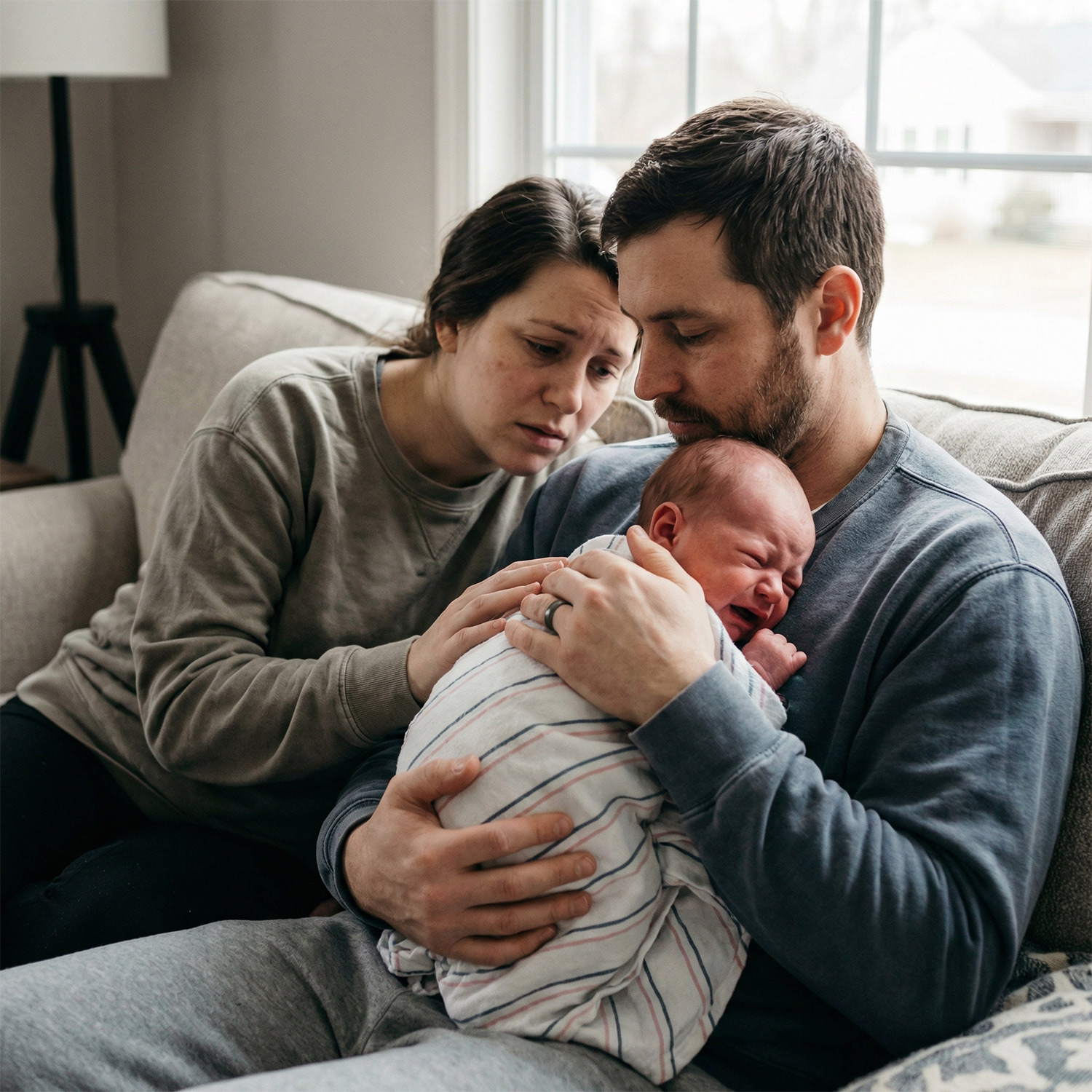
7. In Summary: Prevent to Protect
Shaken Baby Syndrome is a preventable cause of disability and death in infants. It can result from a moment of intense stress or loss of control.
- Understanding the mechanisms helps prevent tragedy
- Crying is normal and temporary
- Asking for help is a protective action
- Prevention relies on education and parental support
Scientific and Medical Sources
- Christian CW et al. Abusive Head Trauma in Infants and Children. Pediatrics. 2009.
- Narang SK et al. Shaken baby syndrome: a review. JAMA. 2020.
- American Academy of Pediatrics. Policy Statement: Abusive Head Trauma.
- Haute Autorité de Santé (HAS). Prévention du syndrome du bébé secoué, 2020.
- World Health Organization. Child maltreatment – Facts and prevention.